Individuality
Individuality plays an increasingly important role when pursuing optimal health and longevity. General recommendations can be difficult to give, as individual disease and risk profiles vary. The emphasis of different recommendations changes based on the marks left by one’s individual life history, age, and known family risk.
Our ability to investigate and understand individual characteristics proactively has improved. Pharmacogenetic panels and other genetic tests, as well as new cardiovascular risk factor markers, are examples of investigations that map individual risk and drug response profiles, with significant implications for prevention and treatment.
Evidence-based Practice
It can be difficult to gather solid research evidence on many topics. Evidence always involves a degree of uncertainty, potential sources of error, and even questions regarding the underlying incentives of researchers. For these reasons, certain health topics in particular remain highly controversial. Indeed, it is wise not to trust the evidence blindly.
Research evidence can be accumulated from various experimental designs. The reliability of these setups varies, and each carries its own unique sources of error. When multiple studies or different types of experimental designs are combined, the level of evidence can increase significantly, or not. However, interpreting the reliability of research results requires practice and experience.
An evidence-based approach has gained more and more ground in society in recent years, especially in medicine. Many treatments and examinations have been phased out as evidence of their utility has accumulated. Being evidence-based is a megatrend of our time, and for good reason. If you want to optimize your health, prioritization is essential, and research evidence serves as an excellent guideline for this.
A Holistic Approach
The family doctor model is a frequent topic of discussion, and there is a clear demand for its wider implementation. Why is this model perceived so positively? I believe the greatest benefit is not just the efficiency gained through continuity of care, but the fact that it makes it easier to consider the patient’s health as a whole during a consultation.
Often, one thing leads to another, and if we treat issues with a narrow focus, problems can actually multiply. A holistic approach is the only right way to address health, especially from a preventative perspective and in cases where multiple illnesses have accumulated, which research shows is often the case. Lifestyle, diseases, and medications are all deeply interconnected.
Continuous Monitoring
Self-awareness is vital, and I am a strong advocate for it. However, self-knowledge should not be limited to psychological factors alone. Understanding your own body’s responses and having a comprehensive view of your health status is just as important.
Currently, the foundation of measurement in medicine is largely focused on laboratory tests, imaging, and clinical physiological measurements. However, diagnostics are constantly evolving. Public healthcare often adopts new tests with a delay, and screenings are not always recommended holistically enough relative to what an individual might benefit from based on their unique situation and preferences.
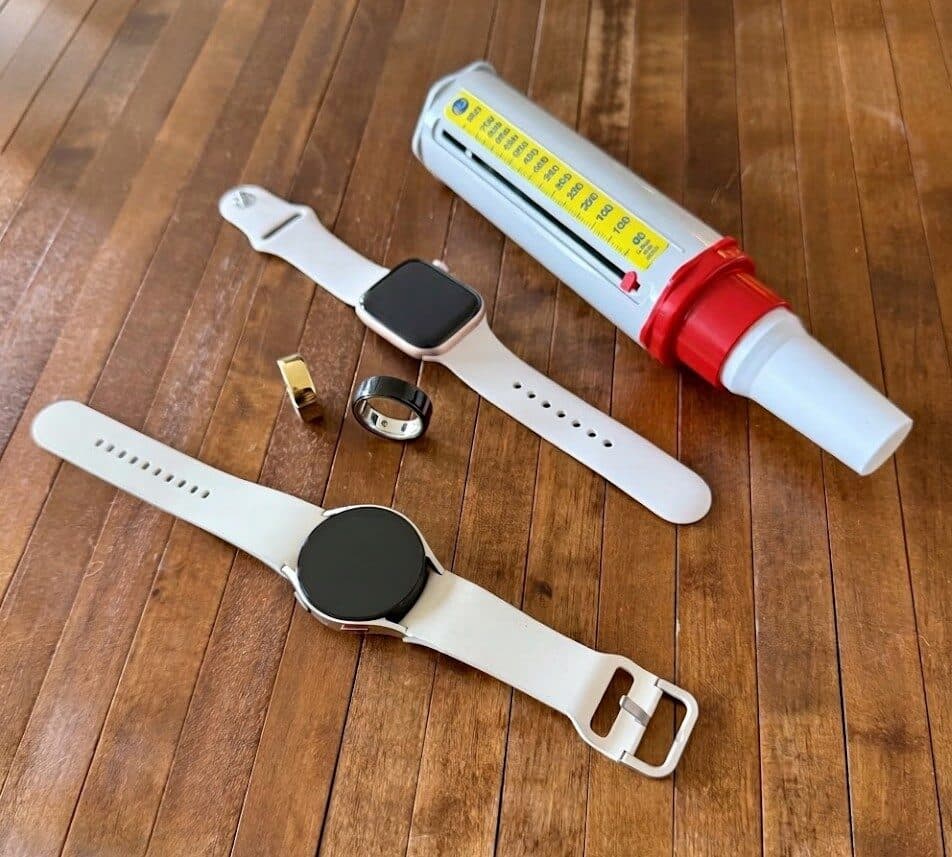
Wearable technology is advancing, and so far, medicine has not been able to fully utilize the data patients collect independently in their daily lives. Nevertheless, the trend is definitely moving toward continuous monitoring outside of the traditional clinic setting.