How I Optimized My Sleep
Familiar and newly discovered ways to improve my sleep quality. Earlier I thought I had already optimized my sleep, but several sleep hygiene practices I recently added to my routine have still made a major difference.
New Additions
Changing the mattress. I previously owned a memory foam mattress for years. However, it is not optimal for sleep temperature. I switched to a latex mattress, which structure allows for better airflow. The difference in sleep temperature was obvious and measurable with Oura.
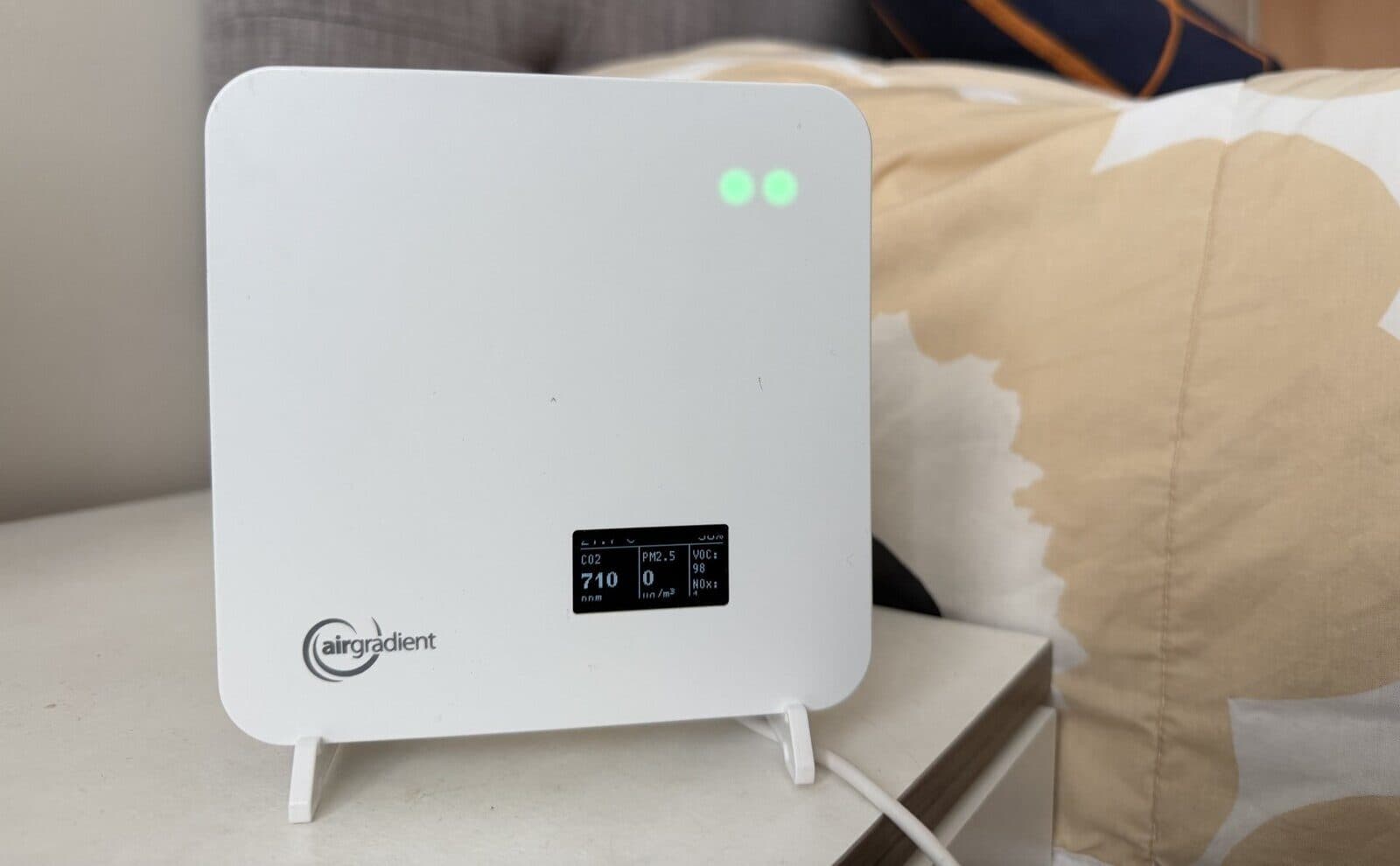
Carbon dioxide measurement and ventilation. I started measuring the carbon dioxide levels in my bedroom with a device called AirGradient ONE. In a closed room, the levels rose to over 1300 ppm by morning. According to studies, levels over 1000 ppm impair cognitive function. Nowadays I leave the bedroom door open and mechanically boost the ventilation in the apartment and bedroom, which keeps the concentration below 900 ppm.
Breathing exercises. Slow diaphragmatic breathing, about six breaths a minute, shifts the balance of the autonomic nervous system toward parasympathetic which promotes falling asleep. I nowadays do this every night before going to bed.
Timing of exercise. Heavy exercise raises core body temperature, sympathetic nervous system activity, and cortisol levels. I finish heavy workouts by early evening so there is well over two to three hours before bedtime.
Caffeine ban after 2 PM. The half life of caffeine is about five to six hours, which is affected by individual variation brought by the activity of the CYP1A2 enzyme. Even if an evening coffee does not subjectively seem to disturb sleep, it still reduces slow wave sleep and disrupts sleep architecture. When you stop drinking coffee at 2 PM, caffeine has over ten hours to leave your system.
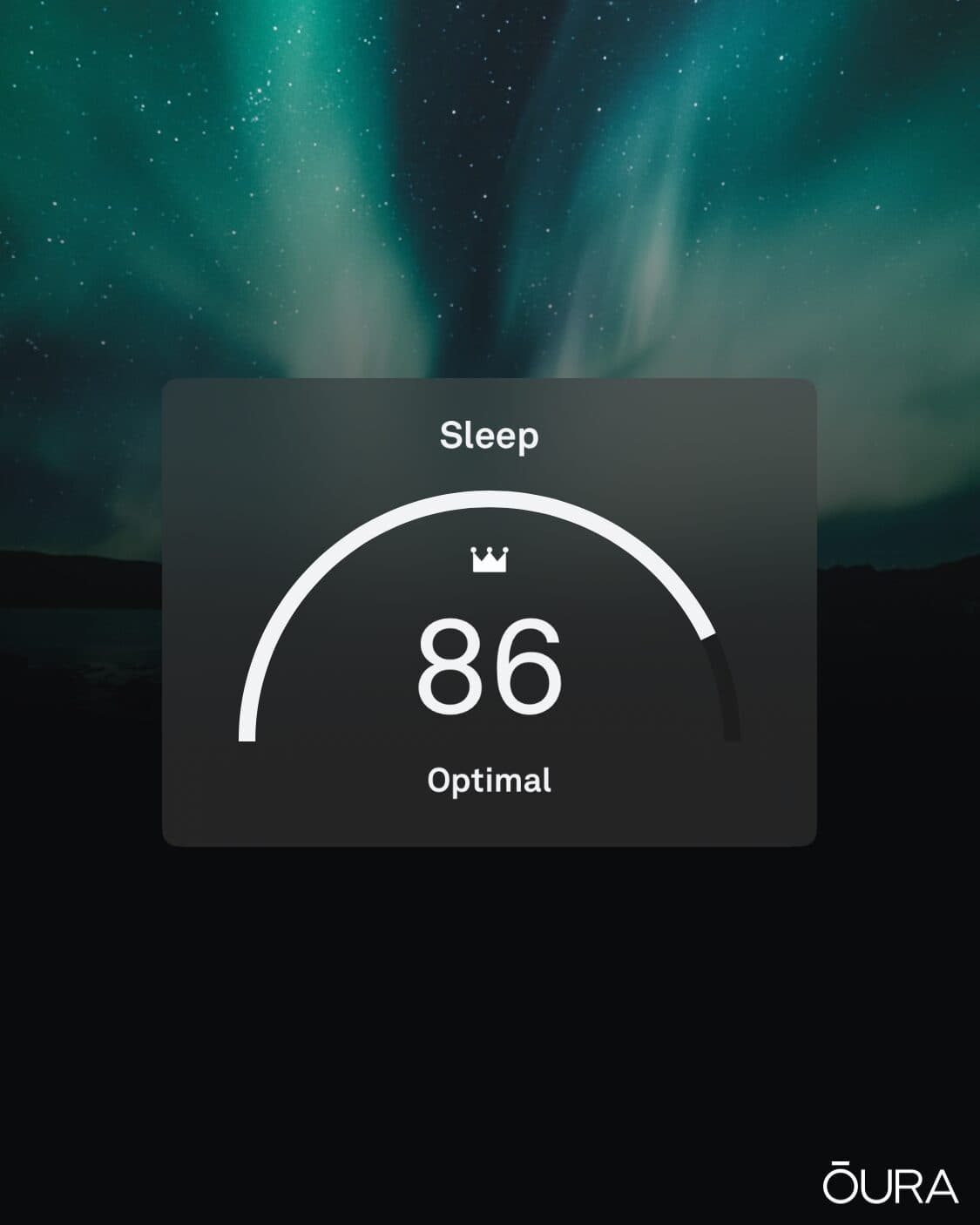
Sleep tracking. For sleep tracking I currently use Oura and sometimes the Apple Watch Series 11 smartwatch. The most useful metric is the nighttime resting heart rate level, which reflects the recovery of the autonomic nervous system.
Even more important was seeing circadian rhythm data over several weeks, which made the harm of irregularity visible. One late Friday night shifted the rhythm for days. That feedback motivated me to prioritize my schedule and stick to daily exercise, which also impacts sleep.
Tried and True Methods
Sleep mask. Even dim ambient light inhibits melatonin secretion and disrupts sleep architecture. A light intensity of just five lux can reduce slow wave sleep, which is the deep and restorative phase of sleep. A sleep mask is a cheap and effective solution, and it has been standard nighttime gear for me for a long time.
Earplugs. Sounds that do not completely wake you up still cause cortical arousals. These disrupt slow wave sleep and REM sleep. I have worn earplugs every night for a long time. It has been one of the simplest and most effective investments in sleep quality. I would say that most people will probably get used to earplugs, even though many shy away from them at first.
Evening screen time ban. I put my phone away half an hour to two hours before bed. Screens emit blue light, which inhibits melatonin secretion through the light sensitive ganglion cells in the retina of the eye.
Evening sauna. I try to take saunas more often in the evenings, about one to two hours before going to sleep. The sauna expands peripheral circulation. When leaving the sauna, the evaporation of heat through the skin lowers the core body temperature faster, which prepares you for falling asleep via the preoptic area of the hypothalamus.
Evidence Based Medical Backups
Mild circadian rhythm disruptions, especially when traveling: I use 0.5 to 2 milligrams of melatonin for 5–7 days when needed to help shift my rhythm.
Sleep disturbances caused by external stress: I use low dose doxepin between 3 and 6 milligrams as needed. At this dose, it selectively blocks type H1 histamine receptors. It has very few side effects and no risk of addiction.
Where I Could Still Improve
Regulating the bedroom temperature more precisely to a lower setting, somewhere between 18 and 19 degrees. Keeping my wake up times even more regular. Extending the screen ban to be longer, or trying out blue light blocking glasses in the evenings as an experiment. Avoiding late evening eating completely since it disrupts melatonin secretion.
The Big Picture
None of these changes are groundbreaking on their own. Together, however, their impact has been significant. I fall asleep faster, wake up less frequently, and feel much better, more recovered, and productive.